Death of the Pension: Recreating Guaranteed Income

Death of the Pension: Recreating Guaranteed Income
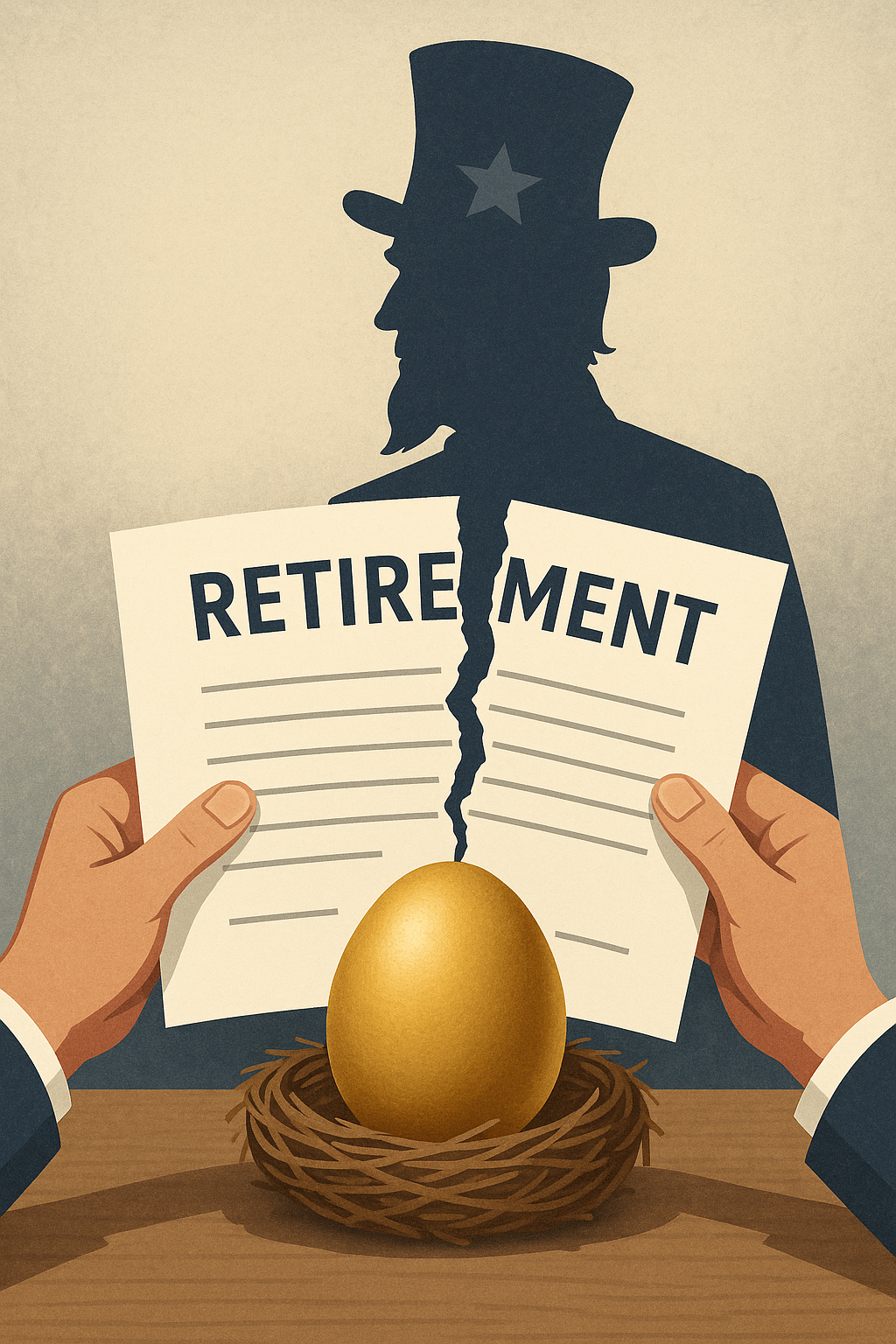
Future retirees (is that you?) will have to be more disciplined about building a nest egg that will support them throughout their retirement. You cannot count on your employer or the government to supply your retirement needs, and really, it is not their responsibility to make sure you have a comfortable retirement. That is up to you.
Pension plans, also known as defined benefit plans, provide guaranteed income for life for a retiree and the retiree’s spouse. Employees often contribute part of their income to their plan during their careers, but the employer takes on the lion’s share of the cost and responsibility of providing the benefits.
When Did Pension Plans Become Common?
The “National Assistance Act 1948” formally abolished the “Poor Law of 1834” and gave a minimum income to those not paying national insurance. Pension plans became popular in the United States during World War II, when wage freezes prohibited outright increases in workers’ pay.
Why Did Pension Plans Go Away?
That’s due to a mix of reasons, including risk, costs, declining union power and the rise of 401(k)-style defined-contribution plans, which require workers to kick in their own funds for retirement investments, often with a company match. Pensions have largely been replaced by 401(k) plans, which are less expensive for employers and transfer many of the responsibilities and risks from the company to the employees.
A pension plan, if fully funded, can be a wonderful thing. However, the value of a pension ultimately depends on the employer’s willingness and ability to make sure that it’s funded adequately. So, if a pension makes promises that are too large, the honeypot of cash will dry up long before younger employees can collect their dues.
How Is Lack Of Pension Plans Affecting Retirees?
This gap left by the pension’s decline and the lack of 401(k) participation is starting to show up in retirees’ incomes. Most retirees without pensions do not have personal savings to make up the difference. As a result, their incomes are lower, and they are much more dependent on Social Security.
Learn from other’s mistakes as well as the changing environment so you do not fall into the same pitfalls as other retirees who have faced a less than desirable standard of living in retirement. There are strategies you can implement and use to put the retirement puzzle together in a way that makes sense, both now and in the future to create the life and retirement you want rather than just accepting the one you don’t.
This article is for general educational purposes only and is not tax, legal, accounting, or investment advice. Strategies depend on individual circumstances and current law. Please review any strategy with your CPA, tax attorney, or other qualified professional before acting. Insurance products are subject to underwriting and carrier terms.