Planning
Retirement Planning
From Guesswork to Control
Retirement planning is no longer about simply saving as much as possible and hoping the markets cooperate. Today, it’s about designing a retirement system; one that creates clarity, control, and confidence across every stage of retirement.
The reality is this:
Most people don’t fail at retirement because they didn’t save enough. They fail because their plan breaks down during distribution…when income must be created, taxes show up, markets fluctuate, and life happens.
Effective retirement planning prepares you for all of it.
Retirement Planning Has Changed
In the past, retirement was largely handled for you.
Pensions provided lifetime income. Social Security filled the gaps. Employers carried much of the responsibility.
Today, retirement is self-directed.
That means you are responsible for:
How money is accumulated
How it is protected
How it is distributed
How long it lasts
Without a plan built for these realities, retirees are often left reacting instead of leading.
The Three Stages of Retirement Planning
A successful retirement plan evolves through three distinct stages. Each stage requires different strategies, tools, and decisions.
1. Saving for Retirement
Building the Foundation
This stage focuses on accumulation but with intention.
Key considerations include:
How much you need to save based on your goals, not generic rules
Where your money is being saved (tax-deferred vs tax-controlled)
How market risk, volatility, and time horizon affect your strategy
Balancing retirement savings with other life goals
Saving without a long-term plan for distribution often creates problems later. Early planning helps prevent future limitations.
2. Preparing to Retire
Shifting From Growth to Strategy
As retirement approaches, the questions change.
Now the focus becomes:
How income will be generated
When and how Social Security should be claimed
How taxes will impact withdrawals
How market downturns could affect income timing
How healthcare and insurance costs fit into the plan
This stage is where many plans fail because accumulation strategies are mistakenly carried into retirement without adjustment.
Preparation is where control is built.
3. Living in Retirement
Turning Assets Into Income
Retirement isn’t a finish line—it’s a new financial phase.
In this stage, planning focuses on:
Creating reliable, predictable income
Managing withdrawal rates so money lasts
Reducing sequence-of-returns risk
Maintaining flexibility for unexpected expenses
Preserving dignity, independence, and peace of mind
A well-designed retirement plan adapts as life changes…without forcing panic decisions.
Key Factors Every Retirement Plan Must Address
Income
Retirement income should come from multiple coordinated sources not a single account or strategy.
Expenses
Understanding fixed vs flexible expenses helps determine how much guaranteed income is needed and where flexibility exists.
Your Home
For many families, the home is a major component of net worth but not always a reliable income source. Planning determines how (or if) it fits into retirement cash flow.
Investments
The strategy that works during accumulation may not work during distribution. Risk must be managed differently when income depends on your assets.
Tax Efficiency
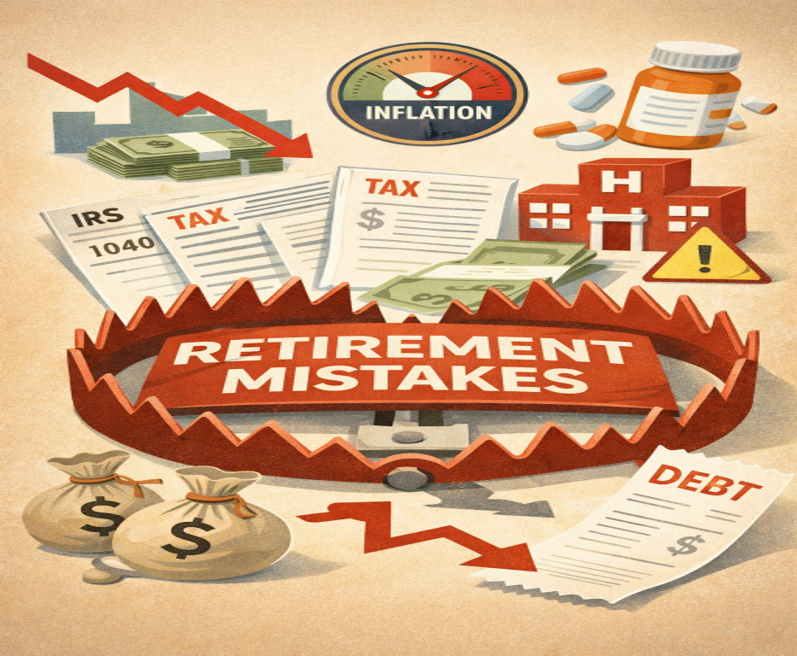
Taxes are one of the largest threats to retirement income. Without planning, distributions can trigger unnecessary tax exposure and reduce cash flow.
Social Security
Claiming decisions can permanently impact lifetime income. Timing matters and the right choice is highly personal.
Healthcare & Insurance
Medical costs, long-term care, and life events must be planned for in advance to avoid derailing income and assets.
Keeping Your Retirement Plan on Track
Retirement planning is not a one-time event.
It’s an ongoing process of review, adjustment, and optimization.
Those who actively plan:
Experience less financial stress
Make better long-term decisions
Enjoy greater confidence and flexibility
Are better equipped to handle change
You don’t need to accept uncertainty as part of retirement. With the right planning framework, you can replace guesswork with clarity and fear with confidence.
Take Control of Your Retirement Path
You don’t have to wait until retirement is “close” to start planning correctly. The earlier you design the system, the more options you create.
Retirement planning isn’t about predicting the future—it’s about being prepared for it.
NEXT STEP
Top 10 Retirement Planning Checklist
Use this checklist to evaluate whether your retirement plan is built on hope or on a system.
1. Define Your Retirement Income Target
Know how much monthly income you will need, not just how much you want saved. Retirement success is measured in cash flow, not account balances.
2. Separate Accumulation From Distribution
Understand that the strategy to grow money is different from the strategy to use money. Many retirement plans fail because this distinction is ignored.
3. Identify Guaranteed vs Variable Income
Know which income sources are guaranteed (Social Security, pensions, structured income) and which depend on market performance.
4. Stress-Test Your Plan for Market Downturns
Ask what happens if a major market correction occurs early in retirement. A solid plan survives bad timing…not just good markets.
5. Evaluate Retirement Tax Exposure
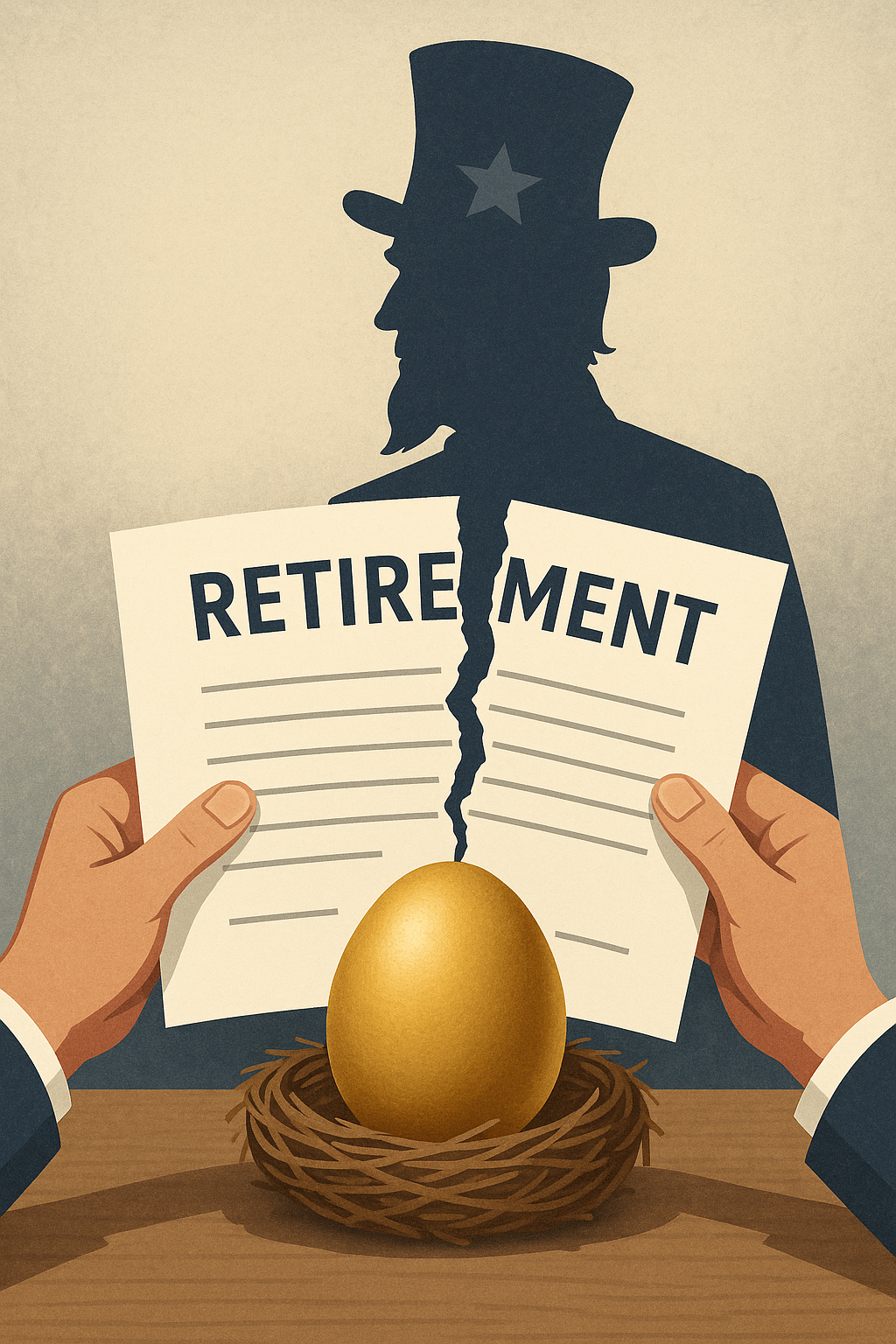
Determine how much of your future income is exposed to ordinary income taxes and whether Uncle Sam controls the rules of withdrawal.
6. Optimize Social Security Timing
Understand how claiming decisions affect lifetime income. The right strategy can add tens, or even hundreds—of thousands of dollars over time.
7. Plan for Healthcare and Long-Term Care Risks
Account for medical costs, Medicare gaps, and long-term care events so they don’t derail income or force asset liquidation.
8. Reduce Sequence-of-Returns Risk
Ensure your plan does not rely on selling assets during market downturns to fund lifestyle expenses.
9. Build Flexibility Into Your Retirement System
A good plan allows for unexpected expenses, lifestyle changes, and opportunities…without breaking the income strategy.
10. Review and Adjust Annually
Retirement planning is not “set it and forget it.” Regular reviews keep your plan aligned with life, markets, and tax law changes.
If you can’t confidently check off each item above, your retirement plan may be incomplete.
This article is for general educational purposes only and is not tax, legal, accounting, or investment advice. Strategies depend on individual circumstances and current law. Please review any strategy with your CPA, tax attorney, or other qualified professional before acting. Insurance products are subject to underwriting and carrier terms.