The Changing Face of Retirement in America

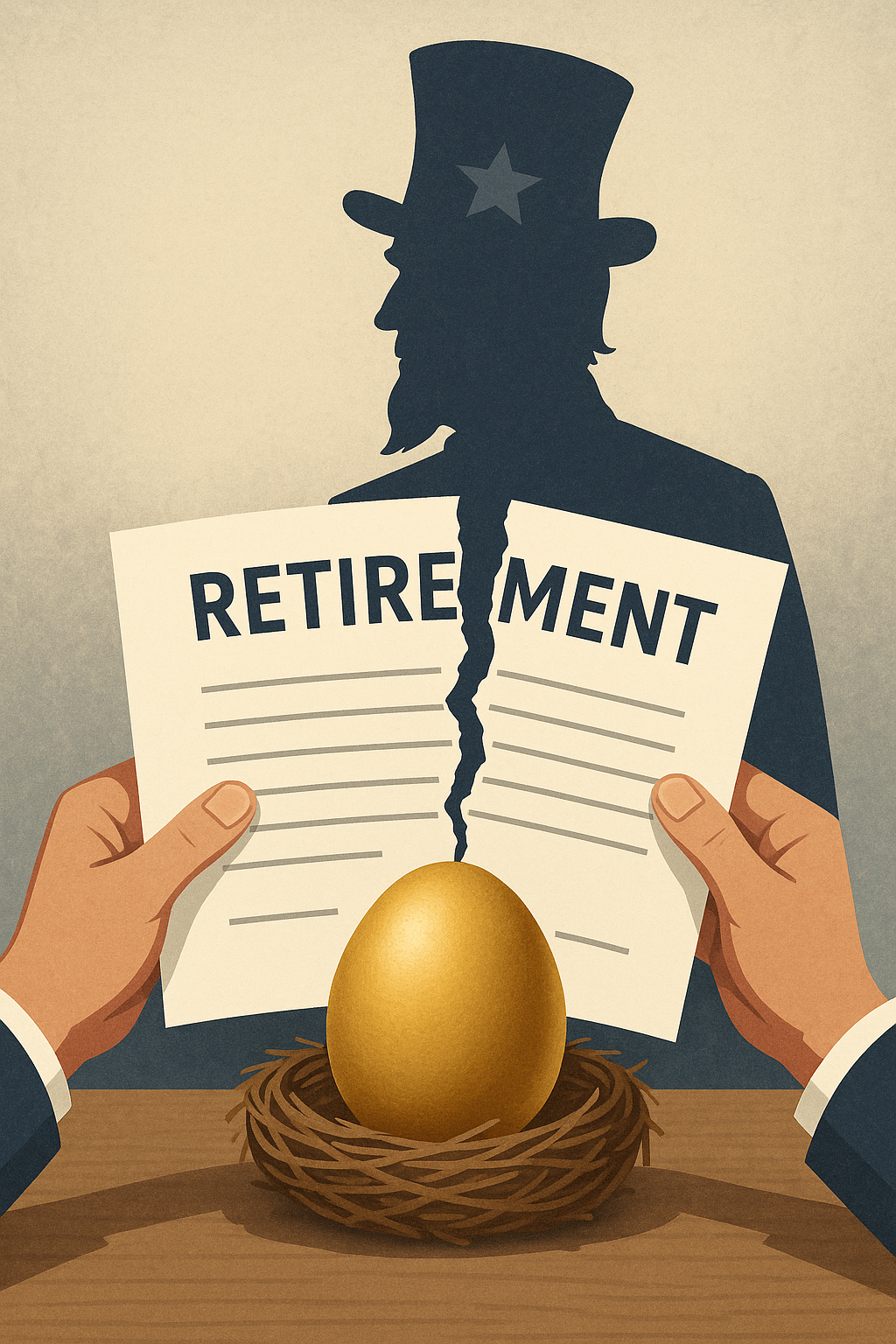
For decades, retirement in America was viewed as a destination…something people arrived at once they turned 65 and could finally stop working. But in today’s financial landscape, that traditional view is becoming obsolete. Retirement is no longer an age; it’s a financial condition. The changing face of retirement in America happens when you have enough income and assets to sustain your lifestyle without relying on a paycheck.
With longer life expectancies, rising costs, and economic uncertainty, many Americans are rethinking how they approach financial independence. Traditional pensions are disappearing, Social Security faces funding challenges, and many retirement accounts are subject to stock market volatility. The good news? There are multiple ways to create a secure and flexible retirement that isn’t tied to a specific age or outdated formula.
Let’s look at the modern reality of retirement. How to create sustainable cash flow, common pitfalls to avoid, what makes retirees happiest, and why adaptability is essential for long-term success.
Retirement is a Financial Condition, Not an Age
For previous generations, retirement was straightforward: work for 40 years, collect a pension, and enjoy your golden years. Today, the game has changed. Traditional pensions are rare, and most people are responsible for building their own retirement income through savings, investments, and financial planning.
Retirement is no longer about hitting a specific birthday; it’s about reaching financial independence. Some people achieve this in their 40s or 50s, while others continue working well into their 70s. What matters most is cash flow or simply stated having enough passive or residual income to cover living expenses without relying on a full-time job.
This shift in thinking has led to movements like FIRE (Financial Independence, Retire Early), where people aggressively save and invest to achieve financial freedom decades before the traditional retirement age. Whether you want to retire early or later, the key is focusing on income streams, not just savings.
Different Ways to Create Retirement Income and Cash Flow
Retirement planning isn’t just about saving money, it’s about generating income that will last for decades. There are multiple ways to do this, including both traditional and alternative strategies:
1. Traditional Retirement Income Sources
Social Security – A critical piece of the puzzle, but often not enough to cover all expenses.
Pensions – Rare but still available to some workers, providing guaranteed lifetime income.
401(k) & IRAs – Tax-advantaged retirement accounts that grow over time but are subject to market risk.
2. Alternative Income Strategies
Real Estate Cash Flow – Rental properties, real estate investment trusts (REITs), or vacation rentals can provide consistent passive income.
Dividend Stocks & Investment Portfolios – Investing in dividend-paying stocks or bonds can create an income stream without depleting savings.
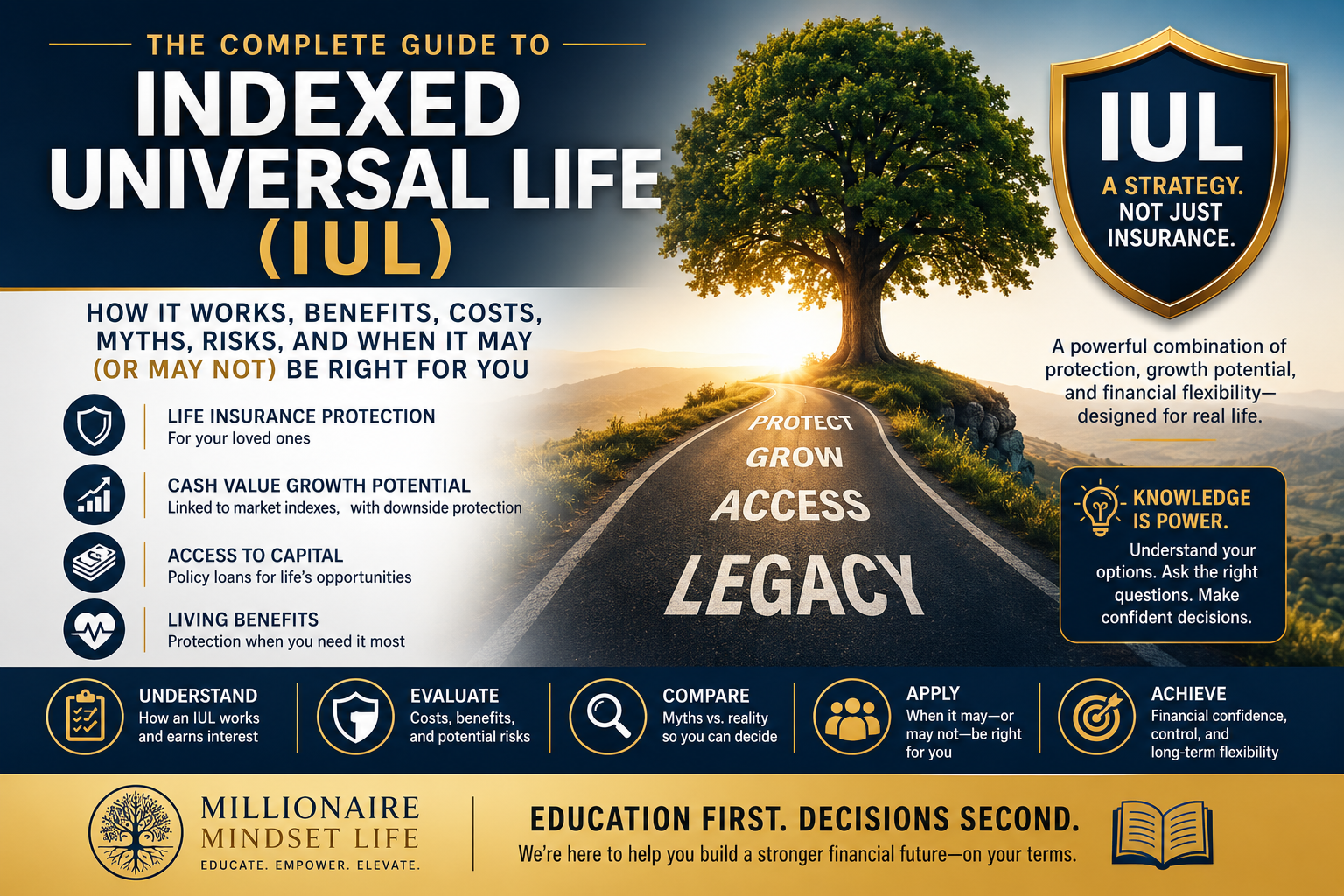
Cash-Value Life Insurance – A lesser-known strategy that allows for tax-free withdrawals and access to capital.
Annuities – Contracts with insurance companies that provide guaranteed income for life, protecting against market volatility.
Business Ownership or Part-Time Consulting – Many retirees continue working in a flexible way, using their expertise for additional income.
3. The Two-Step Debt-to-Wealth Process
Step 1: Eliminate Debt – Free up cash flow by eliminating high-interest debt efficiently.
Step 2: Redirect Savings into Income-Producing Assets – Instead of spending money on consumption or depreciating assets, redirect it into investments that generate wealth over time.
By focusing on these different sources, retirees can create multiple streams of income, making them more financially resilient.
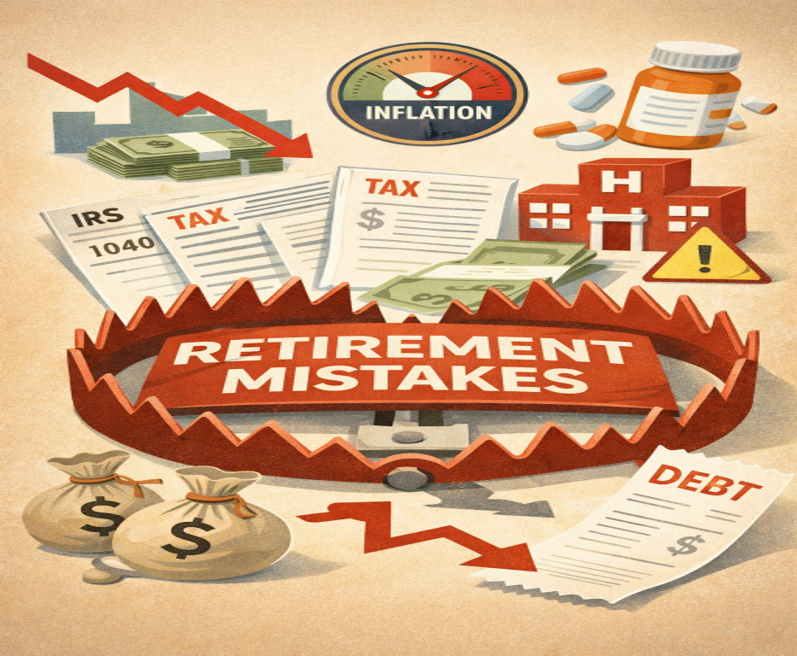
The Biggest Obstacles That Trip People Up in Retirement (And How to Avoid Them)
Retirement planning isn’t just about making money, it’s also about protecting it. Here are the most common obstacles that derail retirement plans and how to safeguard against them.
1. Outliving Your Savings (Longevity Risk)
Problem: People are living longer, meaning savings need to last 20-30+ years.
Solution: Use strategies like annuities, real estate, and dividend investments to create lifetime income.
2. Market Volatility & Sequence of Returns Risk
Problem: A major market downturn in the first few years of retirement can shrink savings fast.
Solution: Diversify investments and consider safe money contracts that limit downside risk.
3. Rising Healthcare & Long-Term Care Costs
Problem: Healthcare costs in retirement can be unpredictable and expensive.
Solution: Plan for long-term care insurance and use tax-advantaged health savings accounts (HSAs).
4. Inflation & Erosion of Purchasing Power
Problem: The cost of living will continue to rise, eating away at fixed-income sources.
Solution: Invest in inflation-protected assets like real estate, stocks, and annuities with cost-of-living adjustments.
By addressing these risks before retirement, individuals can create a financially secure future.
Who is Happiest in Retirement (And Why)?
Retirement is more than just money, it’s about quality of life. Studies show that the happiest retirees share a few key traits:
Multiple Income Streams – Less financial stress = more freedom to enjoy life.
Strong Social Connections – Those who maintain friendships, family ties, or community involvement report higher levels of happiness.
A Sense of Purpose – Whether through part-time work, volunteering, or hobbies, retirees who stay engaged feel more fulfilled.
Health & Wellness Focus – Financial security means little without good health. Staying active and prioritizing wellness leads to greater satisfaction.
Why Retirement Requires Flexibility & Adaptability
No matter how well you plan, life will throw curveballs. The economy changes, investment returns fluctuate, and personal circumstances evolve. A rigid retirement plan can fail, while an adaptive approach allows for necessary adjustments.
Keys to a Flexible Retirement Plan:
Liquidity – Have access to cash for emergencies.
Diverse Income Streams – Avoid reliance on one source of income.
Tax Efficiency – Use tax-advantaged accounts to minimize unnecessary withdrawals.
Reassessment & Adjustment – Review and tweak your retirement plan as needed.
By staying adaptable, retirees can navigate financial challenges while maintaining a secure and fulfilling retirement.
Retirement in America is no longer a one-size-fits-all journey. The traditional model of working until 65 and then relying on Social Security is fading. Instead, today’s retirees must focus on creating multiple income streams, reducing financial risks, and staying flexible to thrive in an ever-changing world. The key to retirement success is financial independence, income diversification, and adaptability. Whether you’re in your 30s or 60s, the best time to start planning for retirement is now. By implementing smart strategies early, you can build a secure, fulfilling, and flexible retirement lifestyle…on your own terms.
Next Steps
Want to learn how to eliminate debt and create sustainable retirement income?
📩 Click Here to Check Out Our Debt2Wealth Interactive Presentation to discover how our strategies can help you build wealth and retire with confidence!
This article is for general educational purposes only and is not tax, legal, accounting, or investment advice. Strategies depend on individual circumstances and current law. Please review any strategy with your CPA, tax attorney, or other qualified professional before acting. Insurance products are subject to underwriting and carrier terms.